
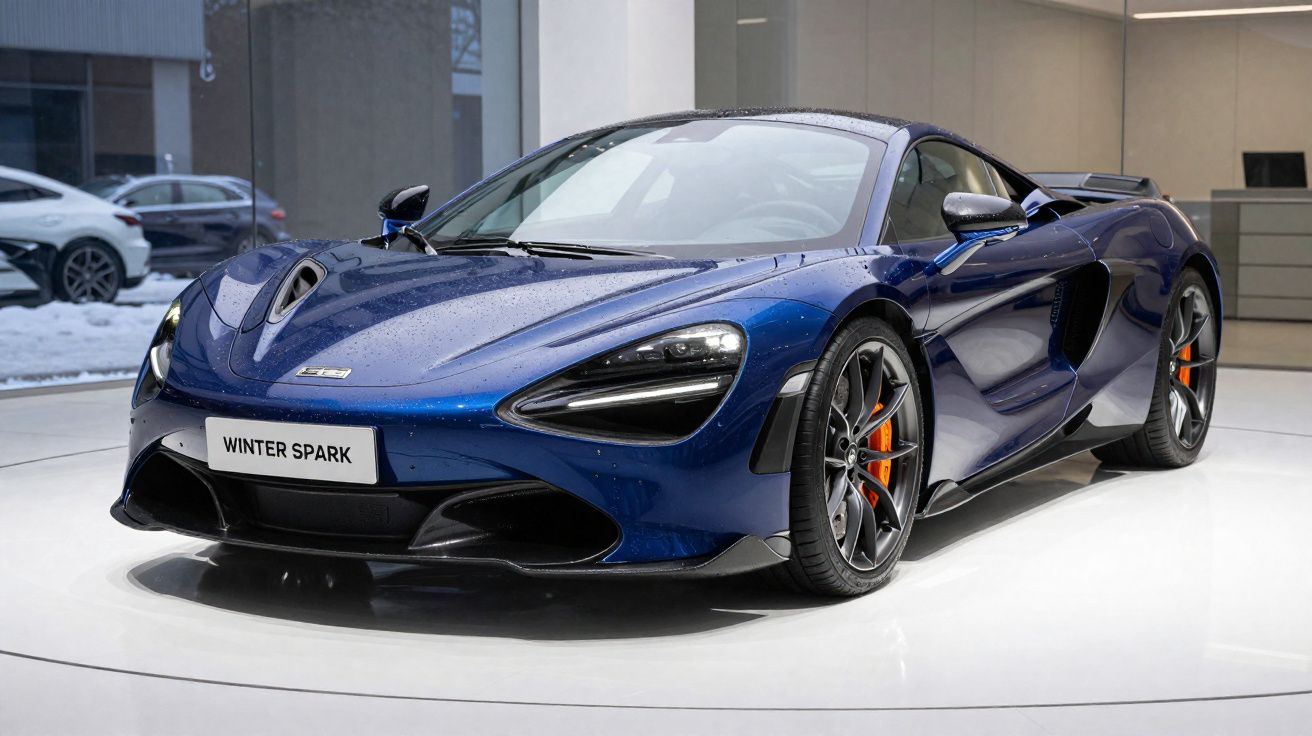
Same journey, same departure time, same person at the wheel - and yet the car behaves as though it’s hauling an unseen trailer. The engine sounds harsher, the steering takes more effort, and warning lights seem to hang around for a beat too long. You squeeze the accelerator, but the reaction is lethargic, as if the car didn’t sleep well.
Out on the motorway, that routine overtake now needs a longer gap and a bit more commitment. At roundabouts and junctions, the car pauses before it properly gets going. It’s tempting to blame the fuel, the traffic, or even your own patience. Anything except the temperature.
Still, as you scrape the windscreen for the third morning running, the thought keeps returning:
What if winter is quietly stealing your horsepower?
Winter driving and that “heavy” feeling: where the horsepower goes
There’s a particular moment in January - backing out of the drive and rolling into the first turn - when everything feels slightly off. The clutch takes up differently. The throttle feels springy and vague. The gearbox is stiff, like it’s resisting the idea of work. You’re not imagining it: in cold weather, a vehicle can genuinely behave as though it’s aged overnight.
The revs often climb higher before the car changes up. Stop-start may refuse to operate. Steering that felt light in early autumn can feel thicker and slower. Same car, same route, same driver; only the air has changed.
Replay a typical UK commute in midsummer, then repeat it in the depths of winter: the same gentle braking at the same junction, the same brisk overtake on the same A-road, the same slip road onto the same motorway. In warmer months, a small pedal input can feel eager and immediate. In cold months, that identical movement produces a muted, reluctant surge.
Operators with fleets measure this effect rather than guess it. Many see fuel consumption rise by around 10–20% through the colder season. Drivers report “sluggish vans” and “lazy engines” after a frost. Electric vehicle owners often watch usable range drop - commonly by about a quarter, sometimes more.
That pattern isn’t mood or myth. It’s mechanics and physics stacking the odds against you.
Cold air is denser, which can theoretically help an engine make power. But winter also thickens lubricants, stiffens rubber, reduces tyre pressures, and prompts the engine management system to run richer mixtures until everything reaches temperature. In EVs, low temperatures slow battery chemistry, so power delivery and regeneration can feel restrained. The car has to spend more energy simply overcoming itself.
So the “sluggish” sensation isn’t one fault. It’s a handful of small winter penalties arriving at the same time.
The hidden culprits under the bonnet (oil, tyres, ECU, batteries)
The first quiet troublemaker is oil. In summer, engine oil flows freely; in February it can behave more like partially set honey. That higher viscosity increases drag across moving parts - crankshaft, camshafts, pistons, turbo bearings - so the engine wastes energy churning thicker fluid until it warms and thins.
Transmission oil and differential oil suffer similarly. On a freezing morning, gears are effectively pushing through syrup rather than gliding on a thin lubricating film. That’s why early shifts can feel notchy, hesitant, or “crunchy”. It isn’t attitude from the car - it’s the lubricant operating outside its happy range.
Until operating temperature is reached, the engine is also working against its own protective strategy.
Next, look at what’s happening at the corners: tyres. Cold air contracts, so pressures can drop by several PSI over a short cold spell. Underinflated tyres increase rolling resistance, which adds drag every time you pull away and dulls acceleration once you’re moving.
On top of pressure loss, tyre compounds become less supple in very low temperatures. Stiffer rubber deforms less easily, which can increase resistance and make the ride feel harsher. It’s subtle, but you often notice it as a flat, slow build of speed when joining a dual carriageway.
Now add it up: a cold engine running rich, thick fluids in the drivetrain, and tyres fighting the road. No wonder the car can feel like it’s towing a caravan you can’t see.
Then there’s the part you rarely think about day-to-day: the engine control unit (ECU). When an engine is cold, the ECU typically enriches the mixture and adjusts ignition timing to keep running stable and prevent stalling. That extra fuel isn’t burned as efficiently, and the result can be softer throttle response and less “snap” until the engine is properly warm.
Automatic gearboxes can contribute too. Many will hold lower gears longer when cold to raise revs, warming the engine and catalytic converter sooner. It can feel as though the car is hanging onto gears and making noise without delivering the shove you expect.
If you drive an EV or a hybrid, winter is a different kind of compromise. Cold battery cells are less willing to deliver or accept energy quickly, which can blunt acceleration, weaken regenerative braking, and reduce real-world range until the pack warms up.
A winter add-on many drivers overlook: short trips and system warm-up
Cold-weather sluggishness is amplified by short, stop-start journeys. If most trips are only a few kilometres, the engine and gearbox may never reach full temperature, so the richer running, thicker fluids and heavier rolling resistance become your “normal” for weeks at a time.
That matters for fuel economy and for wear. It also means a car can feel consistently dull in winter even though nothing is broken - it’s simply spending most of its life in the warm-up phase.
How to get your car’s “spark” back in the cold
The fastest improvement on a winter morning usually isn’t an additive, a premium fuel, or a gadget. It’s controlled warm-up. Give the vehicle two or three calm minutes to wake up: start the engine, sort your seating and mirrors, clear the glass properly, and let the idle settle while fluids begin circulating.
You don’t need to idle for ages - what helps most is a gentle first kilometre or two (about a mile). Pull away smoothly, keep revs modest, and let the car build temperature under light load. Gear changes usually become cleaner, throttle response picks up, and the whole drivetrain feels less resistant by the time you reach your main road.
Think of it less as “warming the car up” and more as “starting the day gently for the machinery”.
After that, the single highest-impact habit is tyre pressure. In summer, checking pressures monthly feels conscientious. In winter, it’s essential. A temperature drop can easily leave tyres 3–5 PSI under the manufacturer’s recommendation, and that alone can make a car feel heavier and more fuel-hungry.
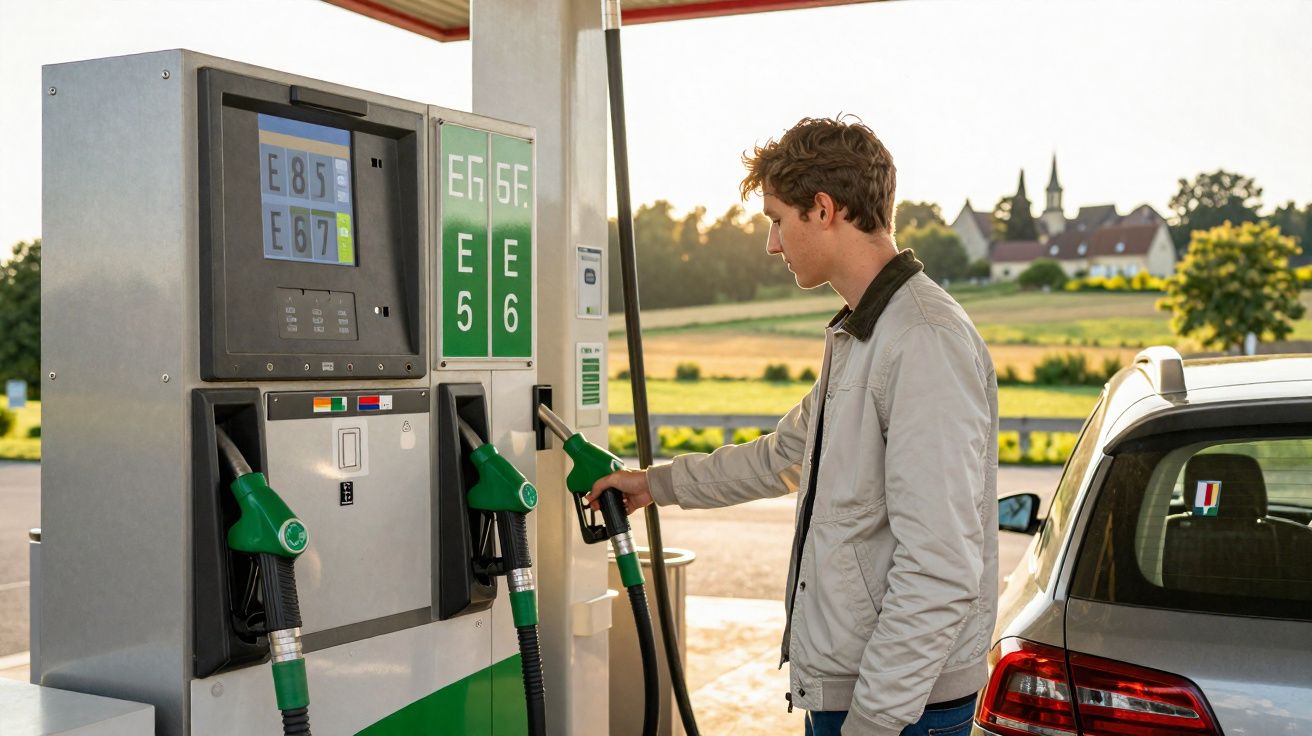
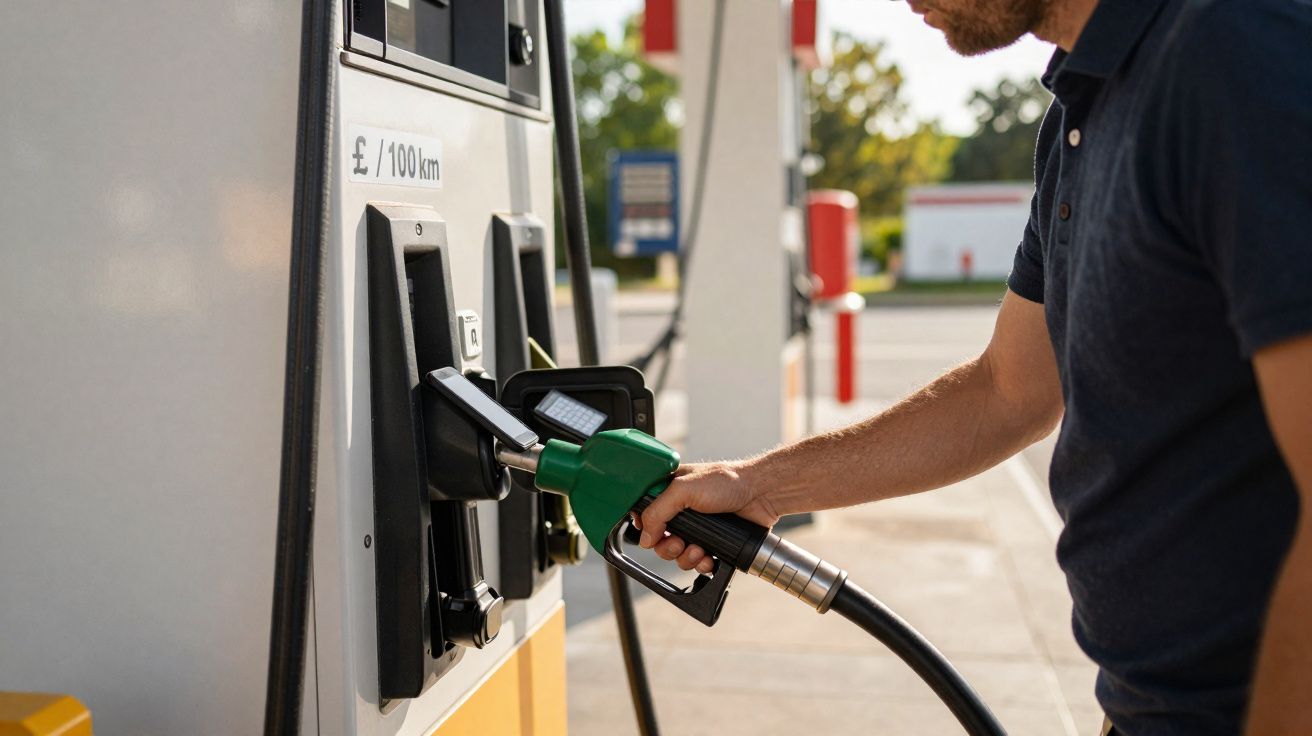
A quick stop at a forecourt airline - or a basic digital gauge at home - can restore the missing edge almost immediately. Inflate to the numbers on the door sticker or in the handbook, not what seems right by eye. The improvement in rolling ease is often obvious, especially in smaller-engined cars.
Let’s be honest: virtually nobody checks pressures daily. But doing it once when the first frosts arrive can remove weeks of “why is my car so slow?” frustration.
“People tell me, ‘It was perfect in summer.’ Then we get the first cold snap: the oil thickens, tyres drop a bit, batteries struggle, and they assume the engine is on its way out. Nine times out of ten, it’s winter doing winter things - not a dying car.” - Mark, independent mechanic in Leeds
A few other small changes stack up into a noticeable difference: - Use the correct winter-suitable oil grade specified in your handbook. - Remove snow and ice properly rather than driving around with extra weight and aerodynamic drag. - Once the cabin is comfortable, reduce power-hungry electrical loads where practical. - If your 12 V battery is ageing, have it tested before the coldest weeks arrive. - Keep acceleration and high load gentle for the first 10 minutes of each trip.
None of this turns a family hatchback into a sports car. It simply takes off the restraints winter quietly adds when you’re not watching.
Another winter factor: electrical load and visibility equipment
Winter also increases the demand on the electrical system: heated screens, seat heaters, blowers, lights and wipers are all used more. In conventional cars, that extra load means the alternator works harder; in EVs, cabin heating can take a meaningful bite out of range. Keeping washer fluid topped up (with proper winter-strength mix) and wiper blades in good condition won’t restore horsepower, but it does reduce strain and improves safety when roads are dark and salty.
Winter driving becomes a different relationship with the car
Once you understand that winter doesn’t just make you cold - it slows the car from the inside - your expectations shift. You stop demanding July performance in January traffic. You treat the first few kilometres as a warm-up discussion rather than a battle. The sluggishness becomes a message: “I’m not up to temperature yet; be patient.”
On icy mornings, that mindset can change the whole drive. Instead of swearing at a soft throttle or a reluctant gearbox, you notice the transition. Steering lightens as tyres and fluids warm. Shifts sharpen as oil thins. The engine note settles from strained to smooth. You can feel the car gradually shake off the cold.
Most of us know that first truly cold commute that feels like driving through treacle. Understanding the reasons behind it makes you less at the mercy of it. With a pressure check, the right fluids, and a little restraint early on, you can tilt the odds back in your favour.
The biggest change may be psychological: winter driving becomes less about irritation and more about adaptation. The hidden reason your vehicle feels sluggish is no longer a worry or a mystery - it’s simply part of the season’s rhythm, something you can anticipate and work with.
| Key point | Detail | Why it matters to you |
|---|---|---|
| Thickened oil and fluids | Cold weather makes engine, gearbox and differential oils more viscous, increasing internal friction | Explains why the engine and gearbox can feel slow or stiff at start-up in low temperatures |
| Reduced tyre pressure | Air contracts as temperatures fall, lowering pressure and increasing rolling resistance | A simple fix to restore responsiveness and reduce fuel consumption |
| Engine and battery management | Richer mixtures, automatics holding gears when cold, and batteries responding more slowly | Helps you tell normal winter behaviour from a genuine fault |
FAQ
- Why does my car feel much slower on cold mornings?
Low temperatures thicken oils, reduce tyre pressures, and make the engine run richer until it warms up. Together, these add drag and soften throttle response, so the car feels heavier and less willing.- Is it bad to drive off immediately in winter?
Setting off straight away isn’t disastrous, but hard acceleration with a stone-cold engine and gearbox increases wear. A gentle first few minutes helps fluids warm and reduces strain.- Do electric cars really lose power in winter?
They don’t usually lose maximum power permanently, but cold batteries can limit how quickly energy moves. That can mean softer acceleration, weaker regeneration and noticeably reduced range until the battery warms.- How often should I check tyre pressures in cold weather?
Monthly is a solid rule, and check again after any sharp temperature drop. Even a few PSI below the recommended figure can make the car feel sluggish and increase fuel use.- When should I worry that “winter sluggishness” is a real fault?
If it still feels weak when fully warm, struggles on hills, misfires, or shows warning lights, book diagnostics. Normal winter dullness should ease after roughly 10–15 minutes of typical driving.

Comments
No comments yet. Be the first to comment!
Leave a Comment