
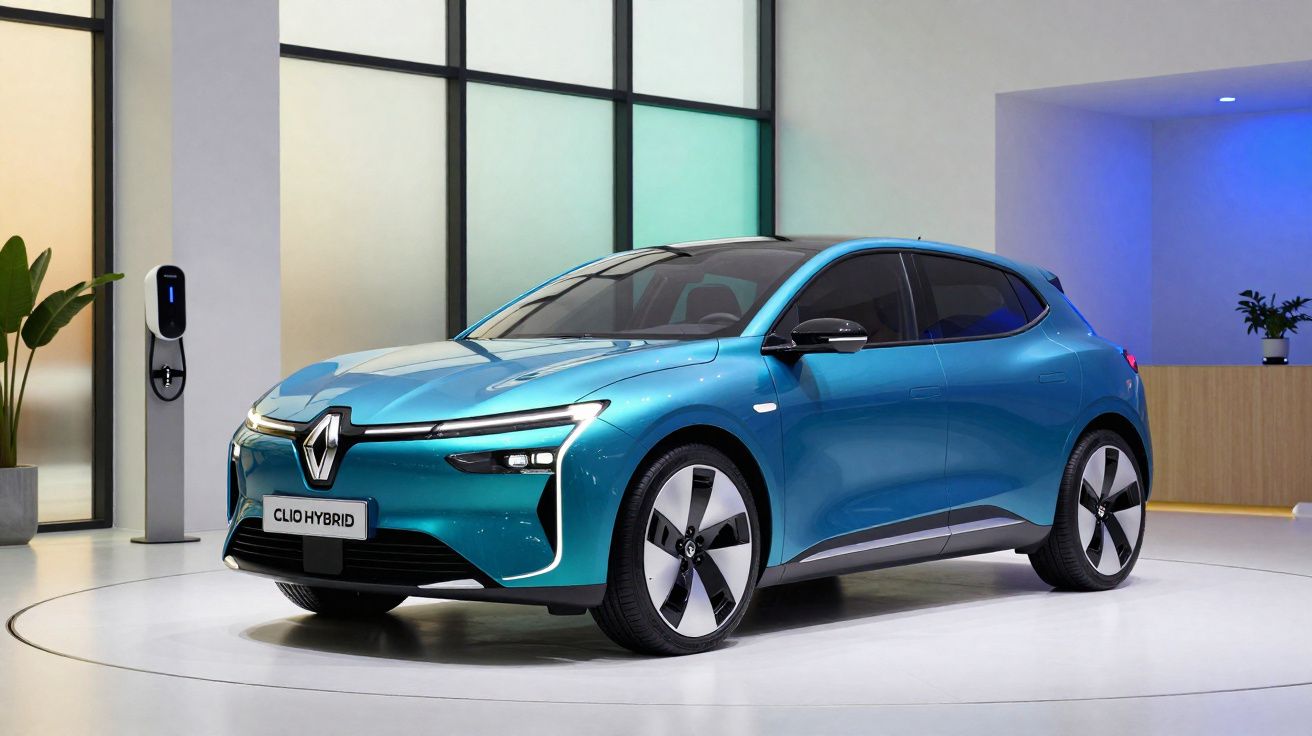
At first glance, it looks like just another compact hatchback in the traffic stream, yet this latest phase of the Clio hides a set of distinctly strategic choices.
The recent Clio facelift is about more than a sharper look. The brand has reshaped the entire range into three clearly separated trims, introduced a more up-to-date E-Tech hybrid powertrain, and is trying to strike a workable balance between price, technology and a sporty feel-so the car can stay competitive in a category increasingly squeezed by SUVs.
Three trims, three different audiences
The refreshed Clio line-up is now built around three main trims: Evolution, Techno and Esprit Alpine. The concept is straightforward but bold: each trim is designed to appeal to a distinct type of driver, while keeping the model’s core identity intact.
- Evolution: the entry point, centred on value and the essentials done properly.
- Techno: the most rounded choice, with a stronger technology package.
- Esprit Alpine: the sport-leaning option, with a more assertive look and upgraded finishing touches.
By splitting the range into three trims, the Clio becomes a kind of “urban chameleon”: one platform, but clearly different use-cases.
Evolution: entry-level without the “stripped-out” vibe
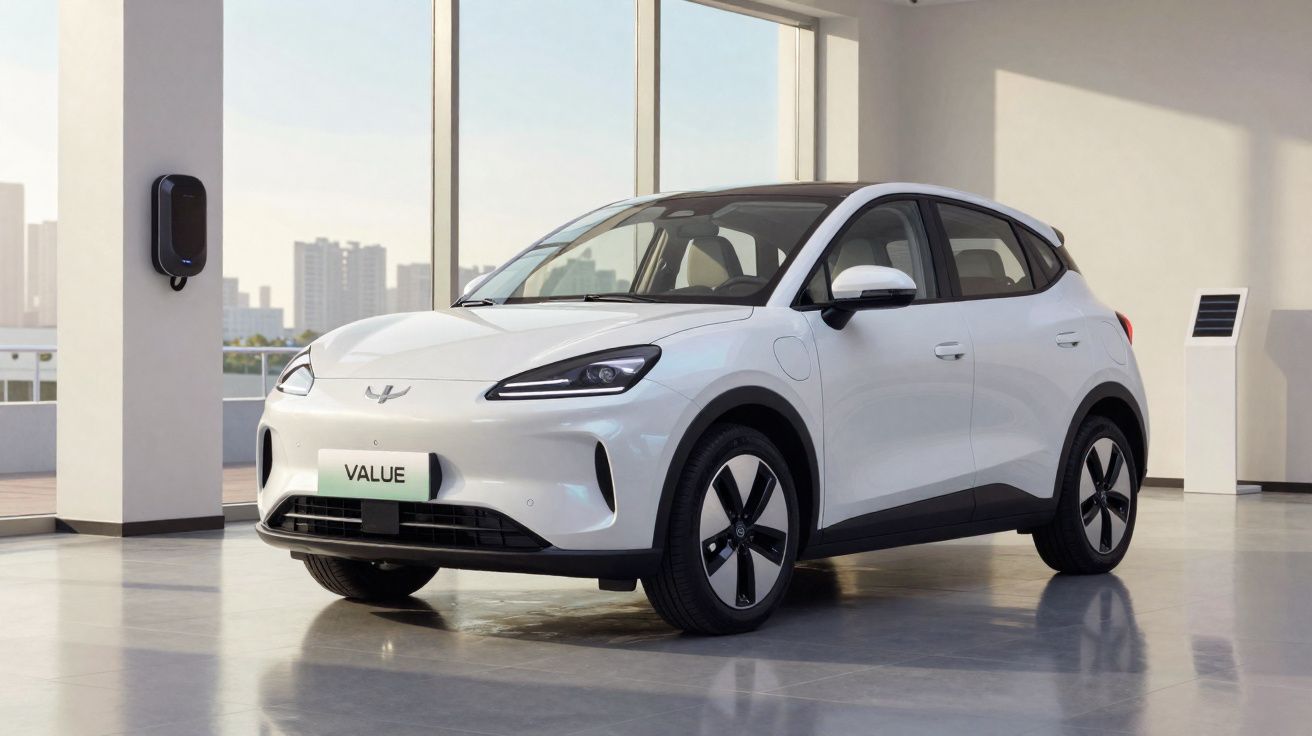
Evolution sits at the bottom of the range, but it aims to avoid the reputation of being overly basic. Even on the more affordable versions, the brand typically keeps items such as air conditioning, power-assisted steering and a usable infotainment system-so it doesn’t put off people looking for a first car, a second family runabout, or a vehicle for heavy day-to-day use.
The goal is a city-friendly hatchback that covers the fundamentals efficiently. It avoids luxury extras, but also avoids feeling like a “bare” car. Headlamps with a contemporary light signature, straightforward wheels that still match the new design language, and a no-nonsense cabin layout all help protect the sense of value.
Techno: the core of the range for Renault Clio buyers
It was the Techno version that featured in the referenced test drive on roads around Lisbon, in Portugal. Finished in the eye-catching Rouge Absolu, this configuration comes across as the line-up’s sweet spot-and, in all likelihood, the biggest seller.
Techno pulls together equipment many drivers now treat as non-negotiable in a modern compact car: a more capable infotainment system, a more polished-looking instrument display, smartphone connectivity features, and a stronger safety pack with driver assistance systems.
In real-world terms, Techno is trying to be the range’s “best compromise”: not the cheapest, not the priciest, but offering what most influences the buying decision.
In the Portugal drive, this trim used the new full hybrid E-Tech powertrain, now with a 1.8-litre petrol engine replacing the previous 1.6. The switch signals a push for more effortless performance, smarter energy management and smoother responses both in town and at speed.
Esprit Alpine: sporty styling for drivers who want to stand out
At the top sits Esprit Alpine, which functions almost like a shop window for the brand within the compact class. The emphasis is on emotion and identity: darkened exterior details, model-specific wheels, sportier seat designs, and cabin trim cues inspired by the Alpine division.
The intention is not to turn the Clio into an uncompromising hot hatch. Instead, it adds a more aggressive edge without undermining day-to-day usability. Drivers who enjoy the feel of a more sporting presentation-but still want restrained fuel use and sensible running costs-are the natural audience for this version.
E-Tech 1.8 full hybrid: what actually changes
The most significant recent technical change is the E-Tech hybrid system moving to a 1.8-litre combustion engine, replacing the 1.6-litre unit used previously. It remains a full hybrid, meaning it can drive for short stretches using electric power alone-especially in urban traffic.
This kind of set-up combines a petrol engine, one or more electric motors and a moderately sized battery. Charging happens automatically via regenerative braking and through operation of the petrol engine itself, with no need to plug the car into a socket.
| Characteristic | E-Tech 1.6 (previous) | E-Tech 1.8 (current) |
|---|---|---|
| Engine capacity | 1.6 litres | 1.8 litres |
| Type | Full hybrid | Full hybrid |
| Development focus | Efficiency | Efficiency with more performance and smoothness |
The expectation is that the 1.8 delivers more linear acceleration, stronger in-gear response on the motorway, and a more relaxed overall feel-without taking too much away from fuel economy. In town, electric running should appear frequently in queues and gentle pull-aways, cutting noise and fuel consumption.
How the three Clio trims map to UK buyers
Even though the configuration shown around Lisbon is European, the message translates directly to the UK market. A three-tier structure with clearly defined trims is now common across many cars sold here, and the Clio is following that same philosophy.
- If price comes first, Evolution will usually be the obvious starting point, with an emphasis on cost per kilometre.
- If you spend time in heavy traffic, a hybrid Techno is likely to appeal by pairing economy with a calmer driving experience.
- If you care most about styling and a more exclusive feel, Esprit Alpine is the natural fit.
Splitting the range into three clear blocks reduces confusion at the point of purchase and makes comparisons with direct rivals much simpler.
For fleet buyers and professional users, the entry version can be attractive because servicing and budgeting are more predictable. Urban families who split their time between city errands and weekend motorway trips may see Techno as the most convincing middle ground. Esprit Alpine is more likely to tempt someone who already knows the brand, prefers bolder design, and is happy to pay extra for a more distinctive finish.
In UK terms, there is also a practical angle around urban restrictions: a full hybrid can be a comfortable match for stop-start driving in busy centres and in areas with clean-air policies. While it doesn’t turn the Clio into a zero-emissions vehicle, the ability to run electrically at low speeds can make everyday urban journeys feel quieter and smoother.
Separately, buyers weighing trims should also consider insurance groupings and wheel/tyre sizes. Sportier-looking variants with larger wheels can sometimes bring slightly higher tyre replacement costs, while higher-spec cars may include assistance features that some insurers view positively-so the “cheapest to buy” and the “cheapest to run” are not always the same trim.
Terms and real-world scenarios worth understanding
What “full hybrid” means day to day
The term full hybrid still causes confusion. In practical use, it means the car can move under electric power alone in certain situations, without the petrol engine running. This typically happens during:
- low-speed urban driving;
- parking manoeuvres;
- short sections of very slow-moving traffic.
Over longer stretches, or when the driver asks for more power, the petrol and electric motors work together to balance performance with consumption. There is no external charging cable; the car manages everything automatically, which suits drivers who don’t want to change their refuelling routine.
A practical commuting example in a Clio Techno hybrid
Picture a typical routine: 20 km per day to work, with half the route on congested main roads and the other half on clearer, faster sections. In that scenario, the hybrid system is likely to rely heavily on the electric motor in the stop-start portions, saving fuel and reducing cabin noise.
On the quicker part of the route, the petrol engine takes the lead, with electric assistance for inclines and gentle overtakes. The driver doesn’t need to select anything; the electronics handle the decisions, aiming to keep consumption in check. Over a month, that operating logic can translate into meaningful savings compared with a compact car powered only by a petrol engine.
Risks, benefits and smart combinations
The biggest advantage of dividing the range into three trims is that it makes the choice more personal. Buyers are less likely to overpay for equipment they will never use, or end up stuck with a package that feels too minimal. The downside is that anyone who doesn’t look closely can drift into a higher trim than they genuinely need, simply for cosmetic details.
Another factor is the maintenance cost of hybrid systems. The global trend shows battery and electrical component durability has improved significantly, but replacement can still cost more than equivalent parts on a conventional powertrain. On the other hand, lower fuel use-and potentially stronger residual values-often helps offset that for many driving profiles.
It also becomes interesting when you consider trim and powertrain together. A driver who doesn’t particularly care for sporty styling may be perfectly served by a hybrid Techno, for example, rather than aiming straight for Esprit Alpine. Conversely, someone who prioritises design but drives relatively few miles each month might prefer an Esprit Alpine with a conventional engine (where that option exists in a given market), placing less emphasis on fuel-saving and more on finish.
Ultimately, reorganising the Clio into three clear trims, alongside the arrival of the E-Tech 1.8 hybrid, underlines how urban hatchbacks are becoming more adaptable. The same compact hatchback can now be configured for sensible everyday use, for technology-led comfort, or for a more expressive sporting look-without abandoning the idea of an accessible, practical small car.

Comments
No comments yet. Be the first to comment!
Leave a Comment