
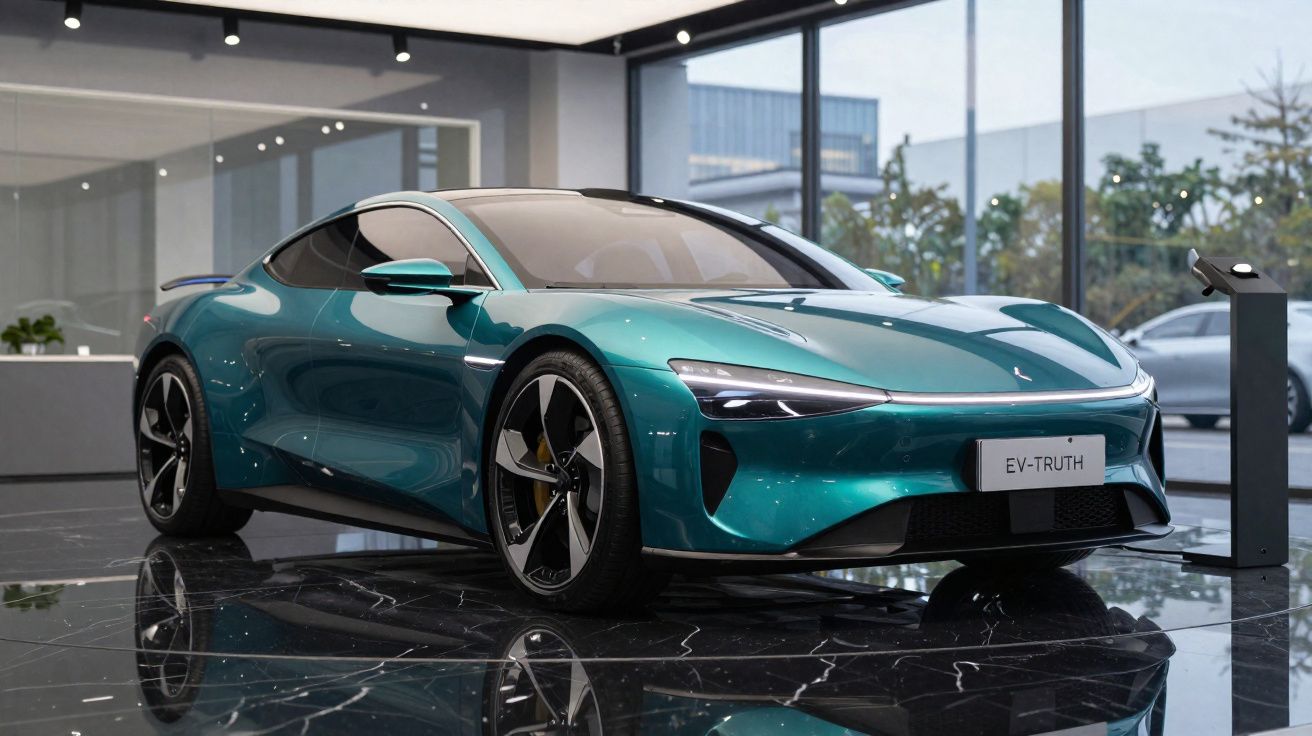
On a drizzly Tuesday morning, Daniel switches off his two-year-old electric SUV and stays in the driver’s seat, knuckles tight around the steering wheel. The display still shows 8% battery. Three vehicles are already ahead of him, all queued for the same fast charger at a motorway service station that advertised “ultra-rapid”… at least in the brochure. His coffee has gone cold. The school run is slipping away. And the figure on the charging screen is rising far quicker than he expected when he signed a slick lease deal in 2022.
At the time, the message was everywhere: lower running costs, cheap electricity, insulation from fuel prices, and the quiet satisfaction of doing the “right” thing. Now, as Daniel flicks through his banking app, he sees the opposite piling up-higher insurance premiums, steeper electricity tariffs, fresh “charging fees”, and maintenance items he was told would barely feature.
Something about the bargain feels like it has been undermined. And Daniel is far from the only one.
When cheap, clean driving stops feeling cheap: the EV promise starts to fray
For many owners, the first warning sign shows up in the monthly budget-not as a warning light on the dash. Early EV buyers often ran the numbers and liked what they saw: no petrol or diesel, fewer moving parts, generous subsidies, and lower tax. On paper, it looked straightforward.
That confidence encouraged plenty of people to push further than they normally would. They accepted bigger loans, longer leases, and higher-spec models, all built around one assumption: the savings would cover the stretch.
Two or three years on, a growing number are discovering that the real-world bills don’t match the story. Electricity doesn’t always feel like a bargain any more. Home energy rates have climbed, public chargers tack on session fees, and “free” workplace charging has a habit of vanishing once it becomes popular. For some drivers, the cost per kilometre is now uncomfortably close to a modern hybrid. What’s snapped isn’t just the budget-it’s the psychological contract.
In the UK, Germany, and parts of the US where early adopters were actively courted, many drivers now report public fast-charging that costs as much per kilometre as running an efficient diesel. On French motorways, peak-time charging can feel like paying the equivalent of a partial petrol fill-except it’s spread across 40 minutes watching a bright screen count upwards. In California, “dynamic pricing” can wipe out a night-time bargain when the grid is under strain.
That’s why people feel caught out. They remember the billboards promising “charge for pennies” and “save thousands a year”. What they’re facing instead is a growing list of small print: network charges, overstay parking penalties, membership tiers, and confusing pricing structures. The sense of being misled rarely comes from one catastrophic invoice; it builds through a steady drip of add-on costs that slowly erode what they thought they’d bought.
The underlying logic is harsh but simple: EVs were marketed as a financial buffer against volatile fuel prices. When electricity prices surge, or when governments cut incentives, that buffer weakens. At the same time, residual values for some models have dropped sharply as newer, cheaper EVs arrive in volume. That stings for owners who believed they were buying into the future rather than a fast-depreciating piece of technology.
Many drivers still spend less overall than they did with petrol. But expectations do the damage: when you’re sold a revolution and end up with a modest saving at best, it doesn’t feel like progress-it feels like a bait-and-switch on four wheels.
The hidden bill for EV owners: charging chaos, tyres, and resale value shock
One practical step changes the EV equation more than any slogan: track the true costs with ruthless honesty. Not “I reckon I’m saving”, but a simple record of every charge at home and in public, plus insurance, servicing, tyres, breakdown call-outs, and-crucially-depreciation. Then set it alongside what your last combustion car cost (or a realistic estimate if you no longer have the paperwork). The numbers cut through the marketing haze.
When people do this properly, the outcome often splits into two very different experiences:
- Owners with off-street parking and a strong night tariff frequently come out pleased.
- Owners without a driveway-who depend on public fast chargers and supermarket units-often see exactly why they feel financially squeezed.
It’s not that EVs are automatically “too expensive” as a category. It’s that the way you’re forced to use them can amplify every weak point in the charging system.
A common trap is designing your purchase around the advert rather than your day-to-day reality. You’re told: “Charge overnight at home and it’s peanuts.” Then you remember you live on the fifth floor with no allocated bay. Or you move house, your supplier changes its tariff structure, and the “cheap night rate” disappears without ceremony. Public charging shifts from an occasional backup to a weekly habit-priced like motorway convenience.
Wear and tear is another surprise people don’t budget for. EVs tend to be gentle on brakes, yet they can be hard on tyres-especially heavy SUVs with instant torque. That can mean more frequent replacements in costly sizes. And if we’re honest, most buyers don’t sit down with long-term ownership reports before signing; they buy with a mix of guilt, social pressure, and a monthly figure that feels manageable.
“Honestly, I wanted to believe,” says Lara, a 39-year-old commuter who swapped her diesel Golf for an electric crossover in 2021. “They said I’d save about £150 a month. Now, on a good month, I might save £20. And when the battery warranty runs out, I don’t even know what this car will be worth.”
Before you commit-or if you’re trying to work out whether your current deal still makes sense-use this checklist:
- Ask for total cost of ownership projections over 5–8 years, not just a monthly payment headline.
- Compare public charging prices per kWh with your old fuel cost per kilometre, not “per tank” or “per full charge”.
- Look up resale value trends for your exact model, rather than trusting a brand’s advertising claims.
- Budget for higher tyre costs, particularly on heavy EV SUVs that chew through rubber.
- Scrutinise battery warranties: years, mileage, and the manufacturer’s degradation thresholds.
Two UK-specific realities that change the sums (and the stress)
In the UK, getting a reliable home set-up can be the difference between a smooth ownership experience and constant frustration. If you can install a home charger, pair it with smart charging and a genuine off-peak tariff, you’ll usually bring your cost per kilometre down and reduce reliance on motorway pricing. If you cannot charge at home, the maths should be built around public charging from day one-not treated as an “occasional” cost.
It’s also worth factoring in how price transparency varies by network. Some operators make it easy to predict what you’ll pay; others combine per-kWh rates with session charges and idle fees that punish you for delays outside your control. Planning routes with live charger availability and clear pricing can save money and time, but it also highlights an uncomfortable truth: for some households, the “effort” cost of EV ownership remains higher than promised.
From anger to “never again”… or towards a different kind of transition
Beneath the spreadsheets, something more fundamental is shifting: trust. Many early adopters feel they did their part in the “green transition” and were paid back with constantly moving goalposts. Incentives are reduced soon after purchase. City rules evolve in ways that nudge people towards bigger batteries than they need. Some countries are openly discussing new road taxes aimed at EVs, framed as “fairness”.
That emotional whiplash matters. The driver sitting in a charging queue isn’t only irritated by wasted time and higher costs. They’re also asking themselves why they allowed politicians and car brands to shape their mobility around a technology that still feels unfinished in everyday use. The risk isn’t merely a return to petrol or diesel-it’s a wider collapse in confidence in climate policy promises altogether.
The healthier alternative for many households is to treat electrification as a flexible path rather than an all-or-nothing identity. That might mean choosing a smaller EV that suits real journeys, switching to a plug-in hybrid to reduce charging pressure, using car-sharing for longer trips, or simply keeping an older car a bit longer while infrastructure and pricing stabilise. The goal is to regain control from the narrative and make the technology fit your life-not the other way around.
| Key point | Detail | Value for the reader |
|---|---|---|
| Real costs vs. promises | Track every expense and compare with your previous car, including charging, insurance, and depreciation. | Builds a clear personal picture rather than relying on marketing claims or national averages. |
| Infrastructure reality check | Assess availability, reliability, and pricing of chargers where you actually live and drive. | Helps you avoid daily frustration and surprise costs caused by poor charging access. |
| Exit and pivot options | Consider smaller EVs, plug-in hybrids, car-sharing, or keeping an older car longer. | Restores choice beyond the “all-or-nothing” storyline and can reduce financial strain. |
FAQ: EV running costs, charging prices, and what to do if you feel stuck
Why do some EV owners feel financially betrayed now?
Many bought on the basis of big fuel savings, minimal maintenance, and strong subsidies. As electricity prices have risen, incentives have shrunk, and the real costs of public charging and depreciation have become clearer, the gap between promise and reality can feel like a broken deal.Are electric cars always more expensive to run than petrol or diesel now?
No. Drivers with home charging and a favourable tariff often still save money. The pain is usually concentrated among people relying on public fast chargers, living in high-cost electricity areas, or driving large, heavy EVs with expensive tyres and steeper depreciation. Circumstances matter as much as the drivetrain.What can I do if I feel stuck in an expensive EV lease?
Start by calculating your true running cost so you’re working from facts rather than frustration. Then look at practical routes: lease transfers, renegotiating terms, switching to a cheaper energy tariff, using a different charging network, or reducing mileage by mixing your EV use with car-sharing or public transport.Is going back to a combustion engine really the only way out?
Not at all. Some drivers downsize to a smaller EV; others move to a plug-in hybrid to cut charging stress. Some keep an older petrol car longer while waiting for pricing and infrastructure to settle. The key is choosing what aligns with your actual life, not the loudest slogan.What should I check before buying an EV now?
Focus on three areas: reliable and affordable charging access; long-term total cost of ownership (not only the monthly payment); and realistic range needs in winter with heating in use. One blunt but useful step: run your typical commute or weekend route in a hired EV before you commit.
Comments
No comments yet. Be the first to comment!
Leave a Comment